Cohort 2 | Hybrid Fellowship
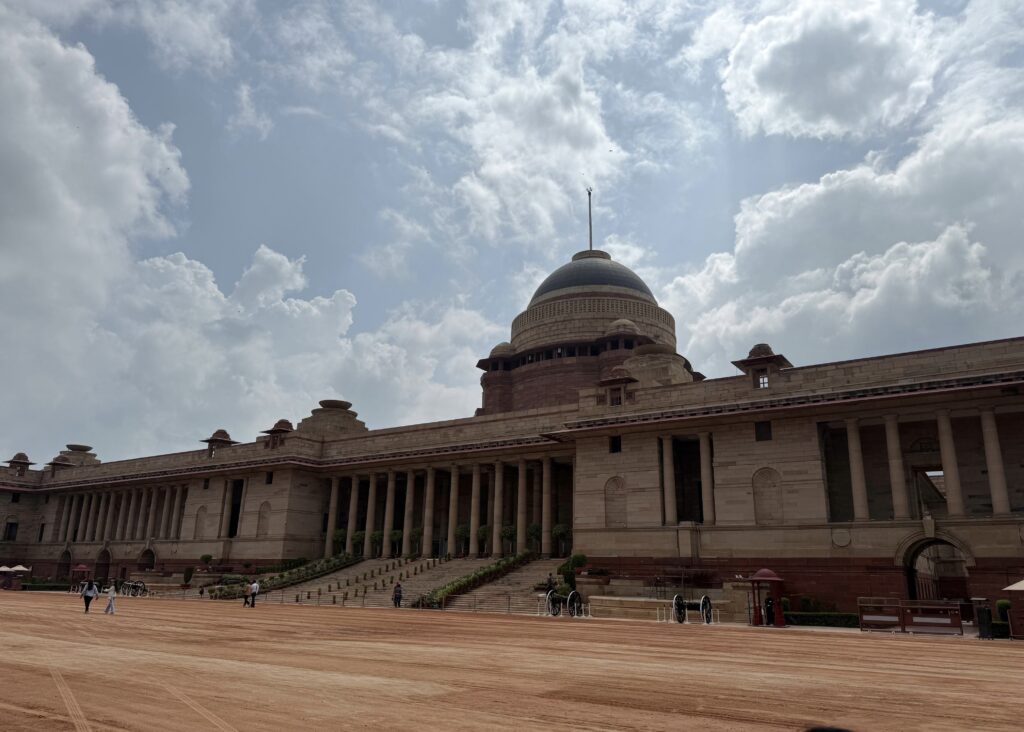
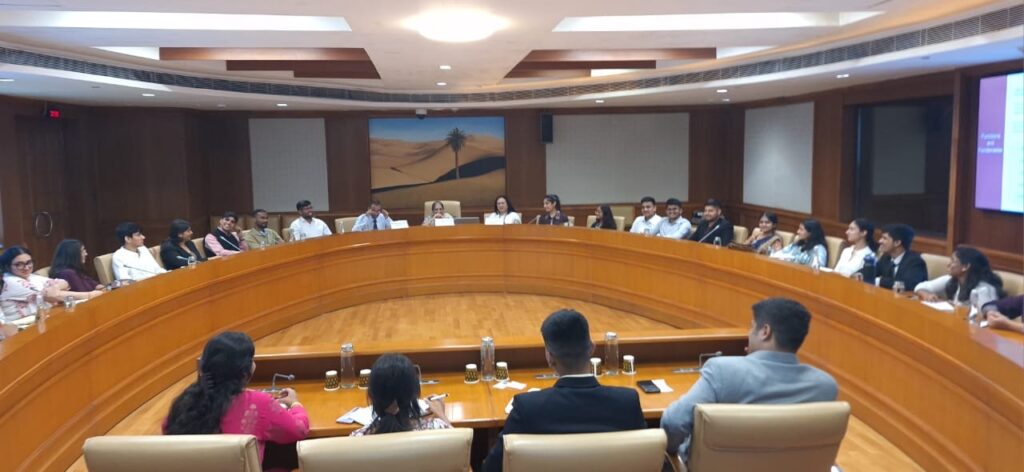
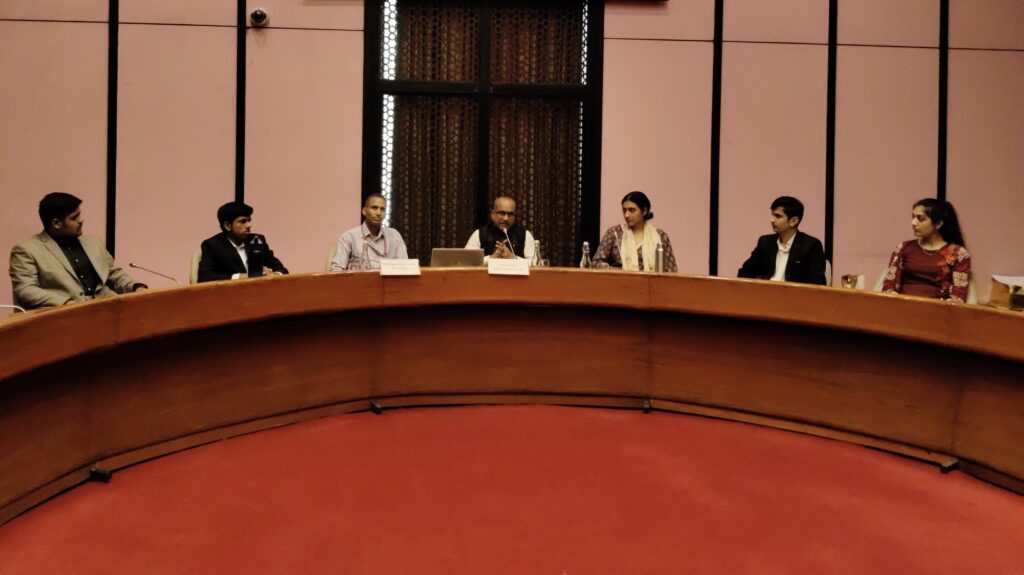
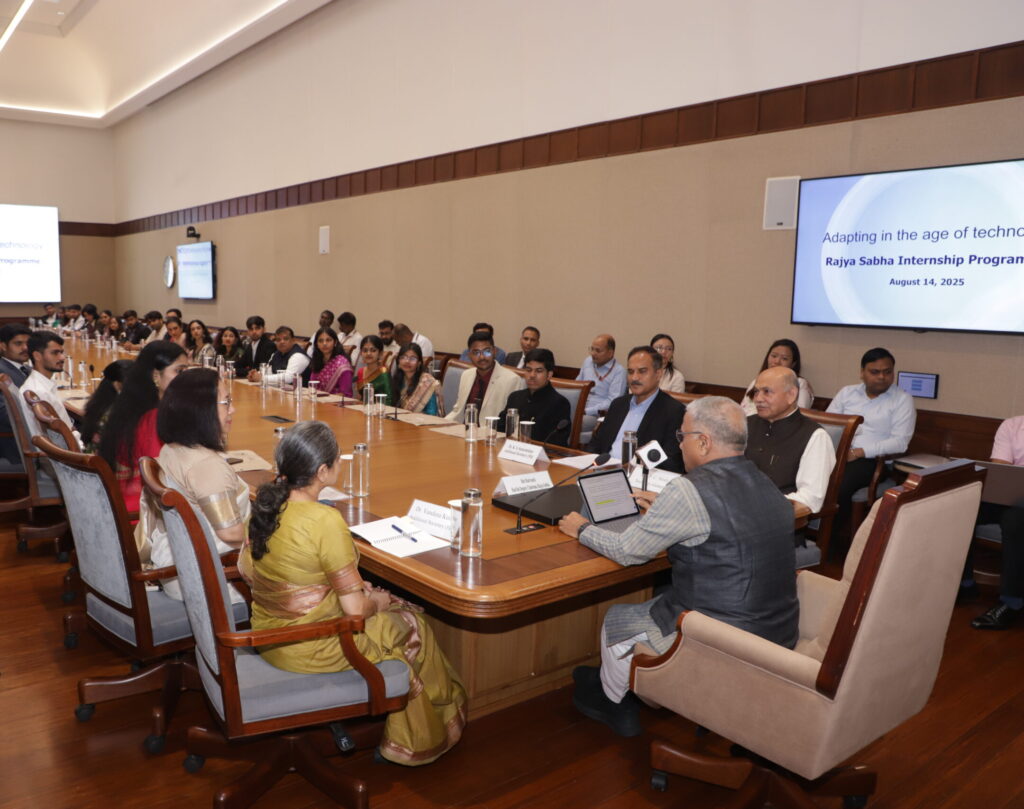
The RAAH Policy Fellowship is a six-week selective fellowship designed to help emerging policy professionals understand how public policy is designed, implemented, and evaluated within real institutional settings. Through sectoral engagements with senior civil servants, case-study based policy diagnostics, applied mentorship sessions, and a final policy advisory simulation, fellows develop the analytical capabilities required to engage with complex public challenges across governance sectors. The Fellowship includes an exclusive in-person diplomatic roundtable at MICCIA, New Delhi, with three distinguished ambassadors, opportunities to contribute to a policy book alongside practitioners, access to curated public policy resources and continued mentorship support for four months beyond the Fellowship under the guidance of Shri J.K. Dadoo, IAS (Retd.), as well as a capstone policy simulation and certificate ceremony at the India International Centre (IIC), New Delhi. Designed for individuals seeking a deeper understanding of governance in practice, the Fellowship emphasises institutional understanding, policy reasoning, and applied problem-solving for careers in public policy and governance.




Department of Commerce, Ministry of Commerce and Industry
Formerly with Rajya Sabha Secretariat
Ministry of Rural Development
Offices of Members of Parliament
Ministry of Environment, Forest & Climate Change, Government of India


Department of Consumer Affairs
Government of India

Government of Manipur and
Former Special Secretary, Ministry of Environment, Forest & Climate Change
Government of India
Department of Rural Development and Department of Land Resources
Government of India

to the Republic of Korea and Uzbekistan

High-Level Committee on Union-State Relations and Former Principal Secretary
Government of Tamil Nadu
Former Ambassador of India to Argentina, Uruguay & Paraguay
to Jordan, Libya and Malta

Bhaskar Agarwal
Incoming, University of Oxford

Nikita Singh
Public Policy, London School of Economics and Political Science (LSE)
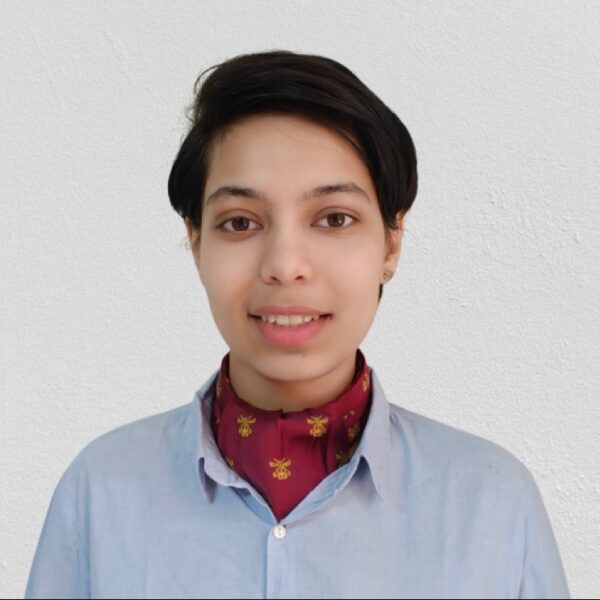
Priyal Jain
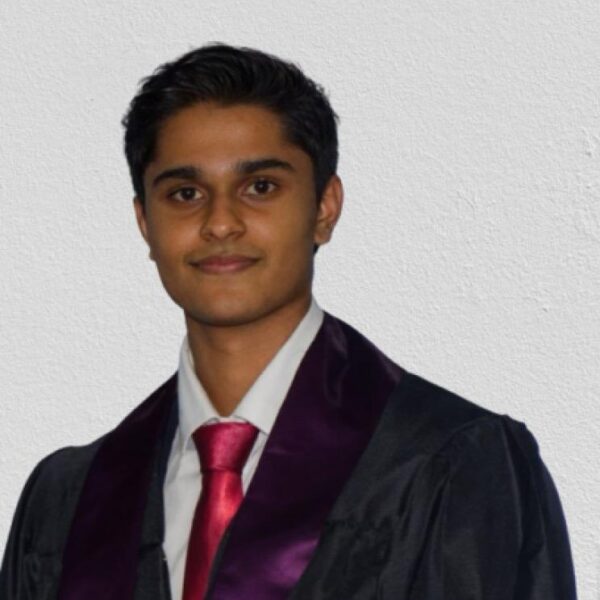
Ashmit Mishra
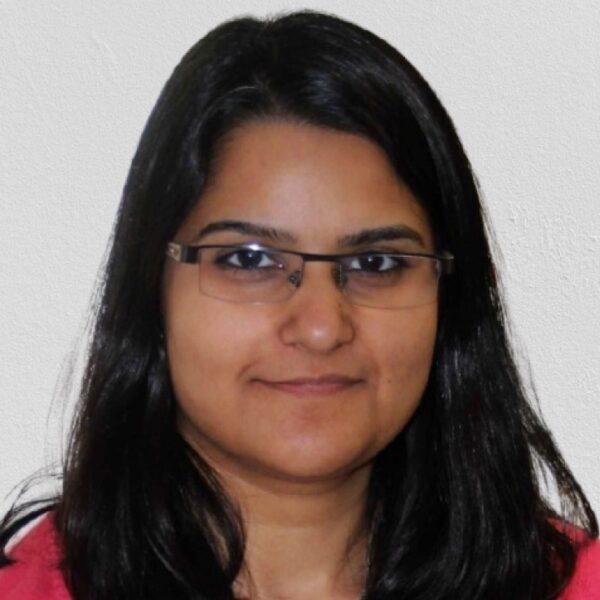
Parul Gupta
Doctoral Researcher, IIT Delhi

Simin Sanil
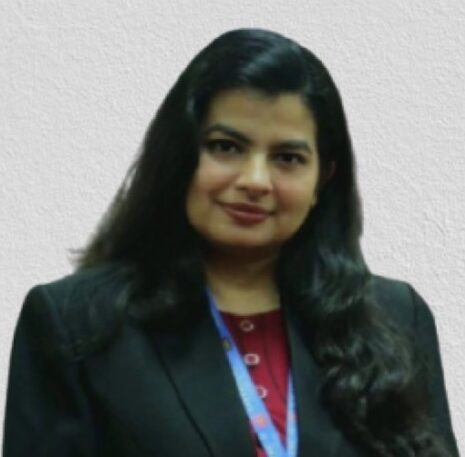
Neharika Gupta

Radhika Jain

Divyansh Shah
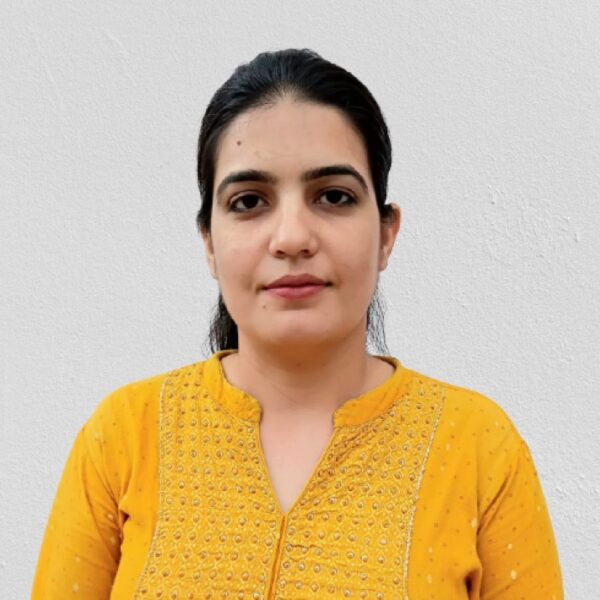
Ruchi Payal
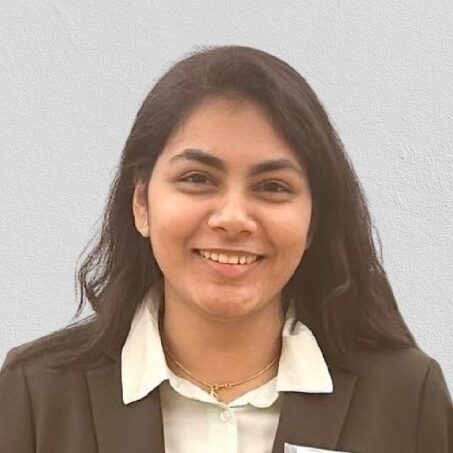
Sri Nikitha Reddy Tummuru
Voices from the Inaugural Cohort
The RAAH Policy Fellowship was far more than a milestone; it was a profound immersion into the mechanics of public governance. Transitioning from the disciplined rigors of a defense environment to mapping unconventional policy sectors provided an extraordinary bridge for my professional growth
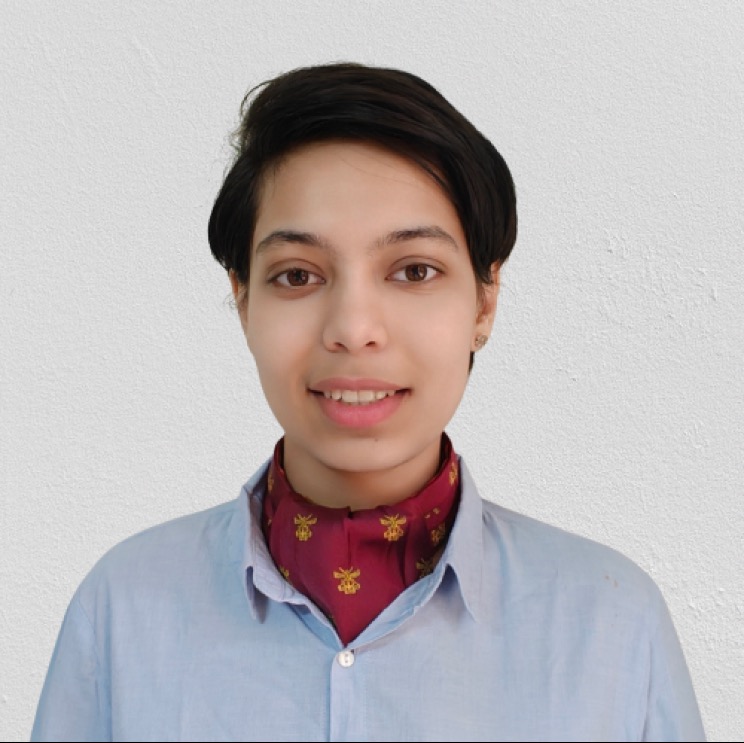
The RAAH Fellowship transformed how I think about policy problems. It pushed me to first map the actors involved, understand their incentives, and diagnose the problem before reaching for solutions. The case studies made abstract frameworks tangible, showing how informal power structures and misaligned incentives can quietly undermine even well-designed interventions.

I think if you’re searching for “RAAH” towards “RAAH OF PUBLIC POLICY”, this is your sign to get started with. Being a student of law, I found myself quite amateurish to public policy but now when I read any policy, news, or even an Act , the stakeholder mapping, trade offs and behavioural impact automatically become a part of my thought process. I really want to thank RAAH and it’s Founder for support and belief in each fellow and providing the platform as a safe place for invoking that thinking pattern
The RAAH Policy Fellowship gave me something no textbook could direct exposure to how policy is actually made, debated, and broken down within real institutions. In four weeks, I went from studying governance to genuinely thinking like someone who has to make it work. This fellowship is what early-career policy professionals in India have been waiting for.

The RAAH Policy Fellowship provided a nuanced understanding of policymaking in India, where social realities and institutional contexts play a critical role in shaping policy outcomes, often in ways distinct from Australia, the UK, and Indonesia. Learning from experts and fellow participants deepened my appreciation of policymaking as both an analytical discipline and a craft.
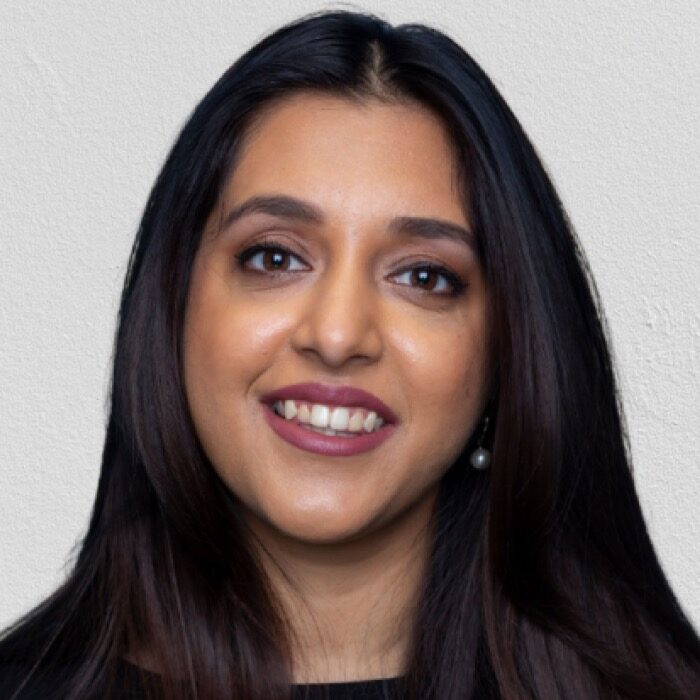
My biggest takeaway was learning to think about policy less in terms of the outcome written on paper and more in terms of incentives, constraints, and the actors who actually sit inside the system. A lot of the fellowship pushed me to ask not just “what should happen?” but “who has to do what, under what pressures, and why might they behave differently from what the policy intends?” That way of thinking felt very useful and much more grounded
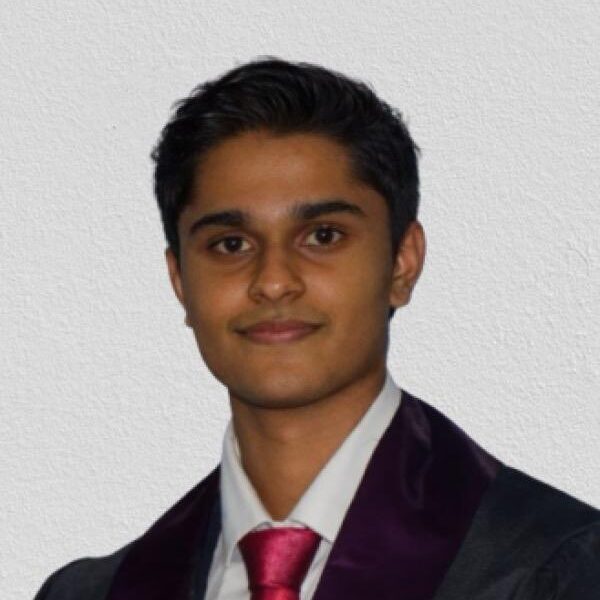
RAAH Fellowship taught me that great policy is not built in theory alone. It is forged where ambition meets institutional reality. It reshaped how I approach governance, pushing me to think beyond perfect ideas and toward solutions that can survive, scale and create real impact in India’s complex policy landscape
The RAAH Policy Fellowship was far more than a milestone; it was a profound immersion into the mechanics of public governance. Transitioning from the disciplined rigors of a defense environment to mapping unconventional policy sectors provided an extraordinary bridge for my professional growth
The RAAH Fellowship transformed how I think about policy problems. It pushed me to first map the actors involved, understand their incentives, and diagnose the problem before reaching for solutions. The case studies made abstract frameworks tangible, showing how informal power structures and misaligned incentives can quietly undermine even well-designed interventions.
I think if you’re searching for “RAAH” towards “RAAH OF PUBLIC POLICY”, this is your sign to get started with. Being a student of law, I found myself quite amateurish to public policy but now when I read any policy, news, or even an Act , the stakeholder mapping, trade offs and behavioural impact automatically become a part of my thought process. I really want to thank RAAH and it’s Founder for support and belief in each fellow and providing the platform as a safe place for invoking that thinking pattern
The RAAH Policy Fellowship gave me something no textbook could direct exposure to how policy is actually made, debated, and broken down within real institutions. In four weeks, I went from studying governance to genuinely thinking like someone who has to make it work. This fellowship is what early-career policy professionals in India have been waiting for.
The RAAH Policy Fellowship provided a nuanced understanding of policymaking in India, where social realities and institutional contexts play a critical role in shaping policy outcomes, often in ways distinct from Australia, the UK, and Indonesia. Learning from experts and fellow participants deepened my appreciation of policymaking as both an analytical discipline and a craft.
My biggest takeaway was learning to think about policy less in terms of the outcome written on paper and more in terms of incentives, constraints, and the actors who actually sit inside the system. A lot of the fellowship pushed me to ask not just “what should happen?” but “who has to do what, under what pressures, and why might they behave differently from what the policy intends?” That way of thinking felt very useful and much more grounded
RAAH Fellowship taught me that great policy is not built in theory alone. It is forged where ambition meets institutional reality. It reshaped how I approach governance, pushing me to think beyond perfect ideas and toward solutions that can survive, scale and create real impact in India’s complex policy landscape

- ✓ Fellowship fee is payable only upon selection.
- ✓ Fellowship Fee (India): ₹14,999 INR (Flexible instalment options available)
- ✓ Fellowship Fee (International): USD 199
- ✓ Session Access: Recordings of all Fellowship sessions will be accessible throughout the duration of the programme.