
RAAH Policy Bootcamp 2026
Building the Skills, Strategy, and Clarity required to Navigate Policy Spaces
About RAAH Policy Bootcamp
The RAAH Policy Bootcamp is a 15-day practitioner-led programme designed to help aspiring policy professionals build the analytical, application and professional skills required to enter and contribute meaningfully to public policy and governance spaces. Through engagement with Secretary-level IAS officers and distinguished diplomats, governance cases and applied policy exercises, participants develop an understanding of institutional decision-making, policy analysis and evidence-informed problem-solving. The programme features a diplomatic crisis simulation chaired by a former Secretary of the Ministry of External Affairs, a capstone Policy Advisory Simulation before senior civil servants, and practical training in CVs, statements of purpose, policy writing and professional applications. Participants also develop tangible policy outputs, access a curated repository of opportunities across the public policy, governance and development ecosystem, and explore avenues for contributing to a RAAH policy report and newspaper commentary. The Bootcamp emphasises practical skills, professional readiness and a credible policy portfolio.
Duration and Format
Duration: 15 Days
Mode: Online
Dates: 2-17 November, 2026
The Bootcamp combines practitioner engagement, case-based learning and applied exercises through:
Direct engagement with Secretary level IAS officers, distinguished diplomats and policy practitioners
Practitioner-led sessions on governance, institutional decision-making and economic diplomacy
A diplomatic crisis simulation chaired by a former Secretary of the Ministry of External Affairs
A capstone Policy Advisory Simulation before senior civil servants and policy practitioners
Practical training in policy analysis, writing and professional applications
Development of practical policy outputs and access to a curated repository of opportunities
Opportunities to contribute to a RAAH policy report and submit commentary for consideration by a leading newspaper.
Who Should Apply
The RAAH Policy Bootcamp welcomes students, graduates, researchers, civil services aspirants, early-career professionals and individuals transitioning into public policy from diverse academic and professional backgrounds, including applicants from India and overseas.
The programme is particularly relevant to individuals exploring pathways into:
Public policy, governance and policy consulting
Think tanks and policy research organisations
Civil services, legislative offices and public institutions
International affairs, diplomacy and economic diplomacy
Development institutions and social-sector organisations
Policy fellowships, research programmes and higher education
No prior professional experience in public policy is required. The Bootcamp is designed to help participants strengthen their analytical capabilities, develop practical skills and build a credible professional profile for opportunities across the policy ecosystem.
What Participants Do
Participants engage with structured, practice-oriented exercises that connect institutional understanding with policy analysis, strategic reasoning and professional development.
They will:
Examine governance, institutional decision-making and economic diplomacy through the perspectives of senior IAS officers and distinguished diplomats.
Examine real-world cases, identify institutional and implementation constraints, assess competing options and formulate evidence-informed recommendations.
Explore competing interests and decision-making under pressure through a diplomatic crisis simulation.
Develop, present and defend recommendations through a capstone Policy Advisory Simulation before senior practitioners.
Develop policy writing skills and refine CVs, statements of purpose and other professional applications.
Produce practical policy outputs and explore opportunities to contribute to a RAAH Policy report and publish in a leading newspaper.
Access a curated repository of opportunities across public policy, governance, research and development.
Programme Structure
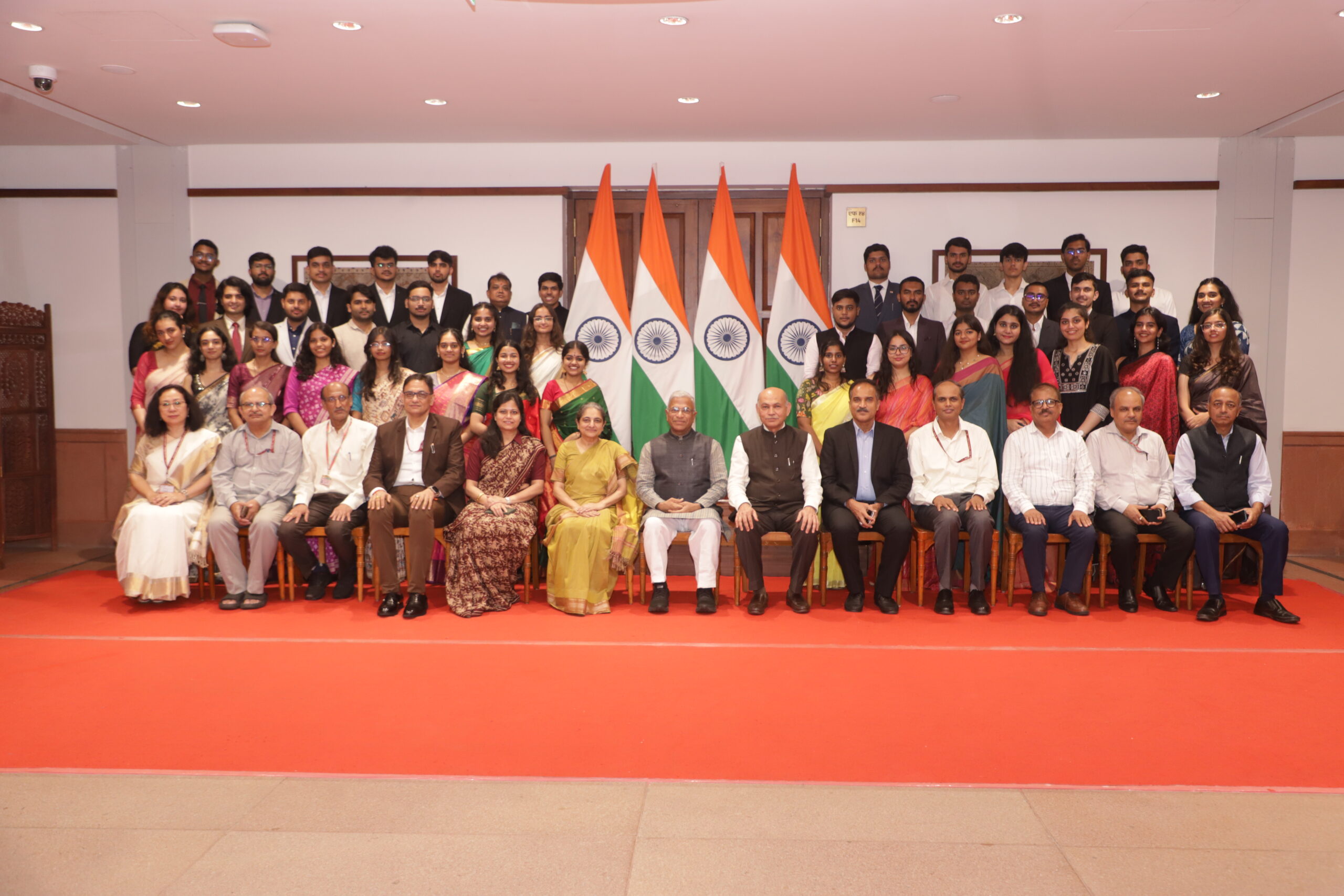
This vertical examines how policy moves from problem identification and agenda-setting to formulation, institutional decision-making and implementation within the Indian state.
Through a case-based session on The Architecture of Public Policy Making in India, led by Shri R. Subrahmanyam, IAS (Retd.), former Secretary, Department of Higher Education and Department of Social Justice and Empowerment, Government of India, participants will examine how the policy process operates in practice.
Learning Outcomes
Understand the roles and relationships of key institutions and actors in India’s public policy process.
Analyse how policy priorities are translated into decisions, programmes and administrative action.
Examine the institutional coordination, administrative capabilities and accountability mechanisms that influence policy delivery.
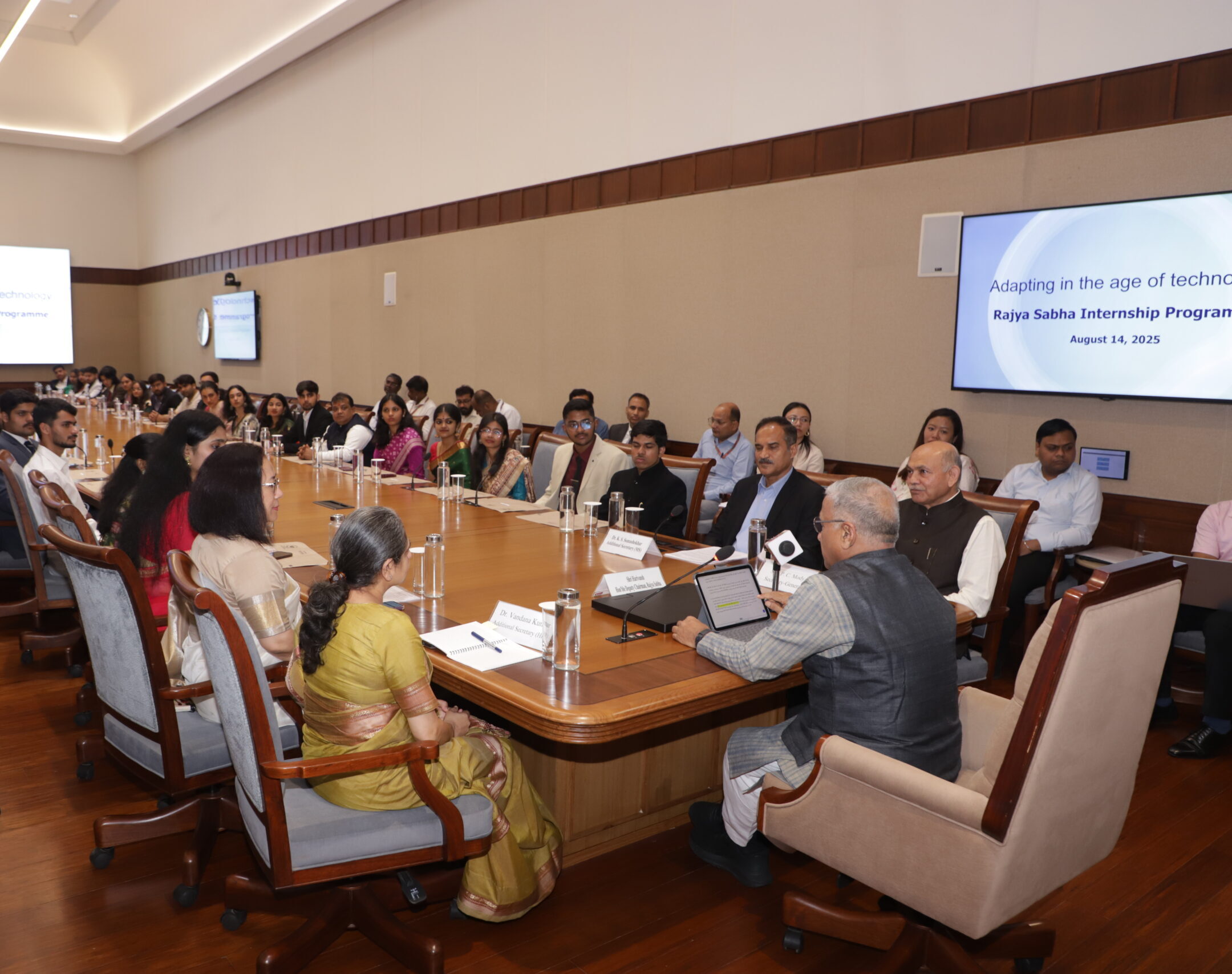
Through Economic Diplomacy in Practice: Institutions, Interests and Strategic Trade-offs, Ambassador Rahul Chhabra, former Secretary (Economic Relations), Ministry of External Affairs, will draw on his diplomatic experience across Europe and Africa, including his role in promoting Indian investment and coordinating India’s engagement with multilateral economic institutions. Through a case-based discussion, participants will examine how economic interests are negotiated, strategic choices are made and diplomatic relationships are translated into economic outcomes.
Learning Outcomes
Examine the instruments through which states advance trade, investment and development interests.
Assess real-world diplomatic decisions and their implications for India’s international economic engagement.

Through applied exercises, participants develop practical writing samples that demonstrate their ability to analyse policy challenges, formulate recommendations and communicate complex ideas to professional audiences.
Participants will build a portfolio of policy outputs during the programme, with opportunities to contribute to an emerging RAAH policy report and submit commentary for consideration by a leading newspaper.
Fellows also receive access to a curated repository of internships, research opportunities, and professional openings across the public policy, governance, and development sectors.
Learning Outcomes
Assemble writing samples that demonstrate analytical ability and readiness for opportunities across the public policy ecosystem.
Translate complex issues into clear, structured and actionable analysis.
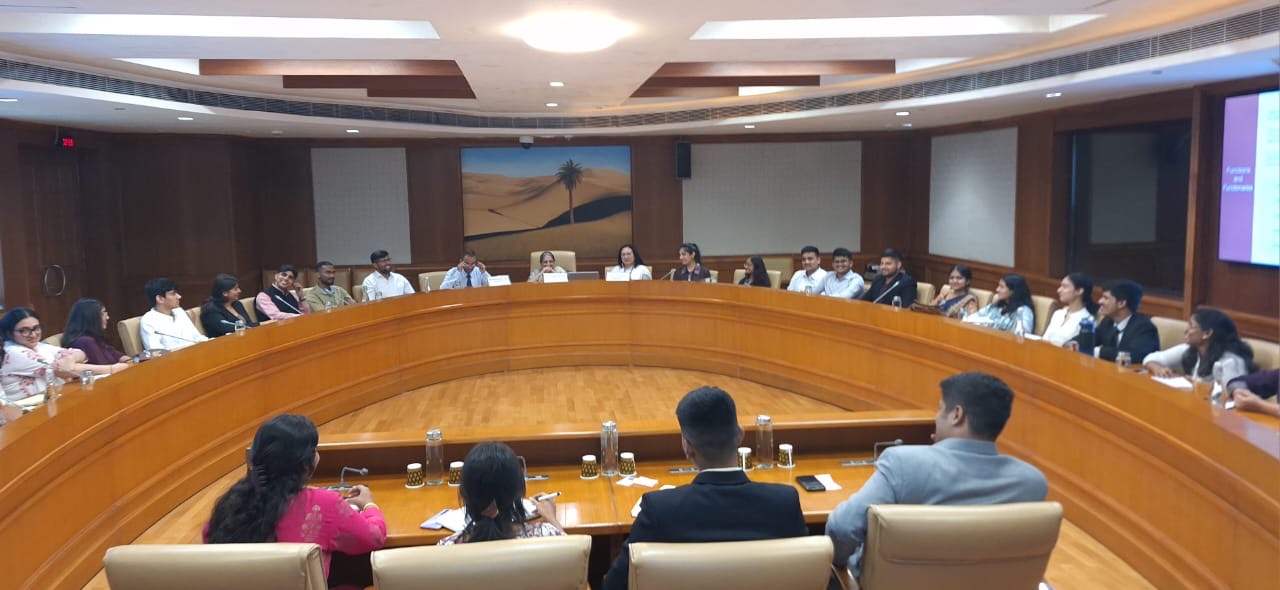
This vertical combines practitioner insights with an applied simulation modelled on diplomatic decision-making exercises. Drawing on his experience as Ambassador of India to Argentina, Uruguay and Paraguay, Ambassador Amarendra Khatua, former Secretary, Ministry of External Affairs, will share practitioner perspectives on diplomatic engagement, negotiation and the management of competing interests. He will also serve on the jury for the simulation, evaluating participants’ analysis, strategic choices and proposed responses to an evolving diplomatic scenario.
Learning Outcomes
Assess competing interests, constraints and consequences under conditions of uncertainty.
Develop and defend a coherent response to a simulated diplomatic crisis.
Present recommendations clearly and respond to critical questions from experienced practitioners.

The Bootcamp adopts a case-based approach to public policy, enabling participants to examine how governance challenges emerge, how institutions respond, and why policy outcomes often depend on factors beyond policy design alone. Drawing on real-world governance cases, administrative experiences and applied policy exercises, participants examine the interplay of institutional mandates, implementation constraints and state capacity.
Learning Outcomes
Analyse stakeholder interests, incentives and trade-offs shaping governance outcomes.
Examine how administrative capacity, institutional coordination and accountability influence policy outcomes.
This vertical examines how candidates can position their profiles for opportunities across policy fellowships, think tanks, higher education institutions and public policy organisations. Through practical exercises, participants will strengthen their approach to CV development, statements of purpose, application responses and interviews, with an emphasis on clarity, evidence, relevance and institutional fit.
Learning Outcomes
Communicate academic interests, relevant experience, analytical capabilities and career objectives with clarity and purpose.
Adapt application strategies and interview approaches to the requirements of fellowships, think tanks, higher education and policy institutions.
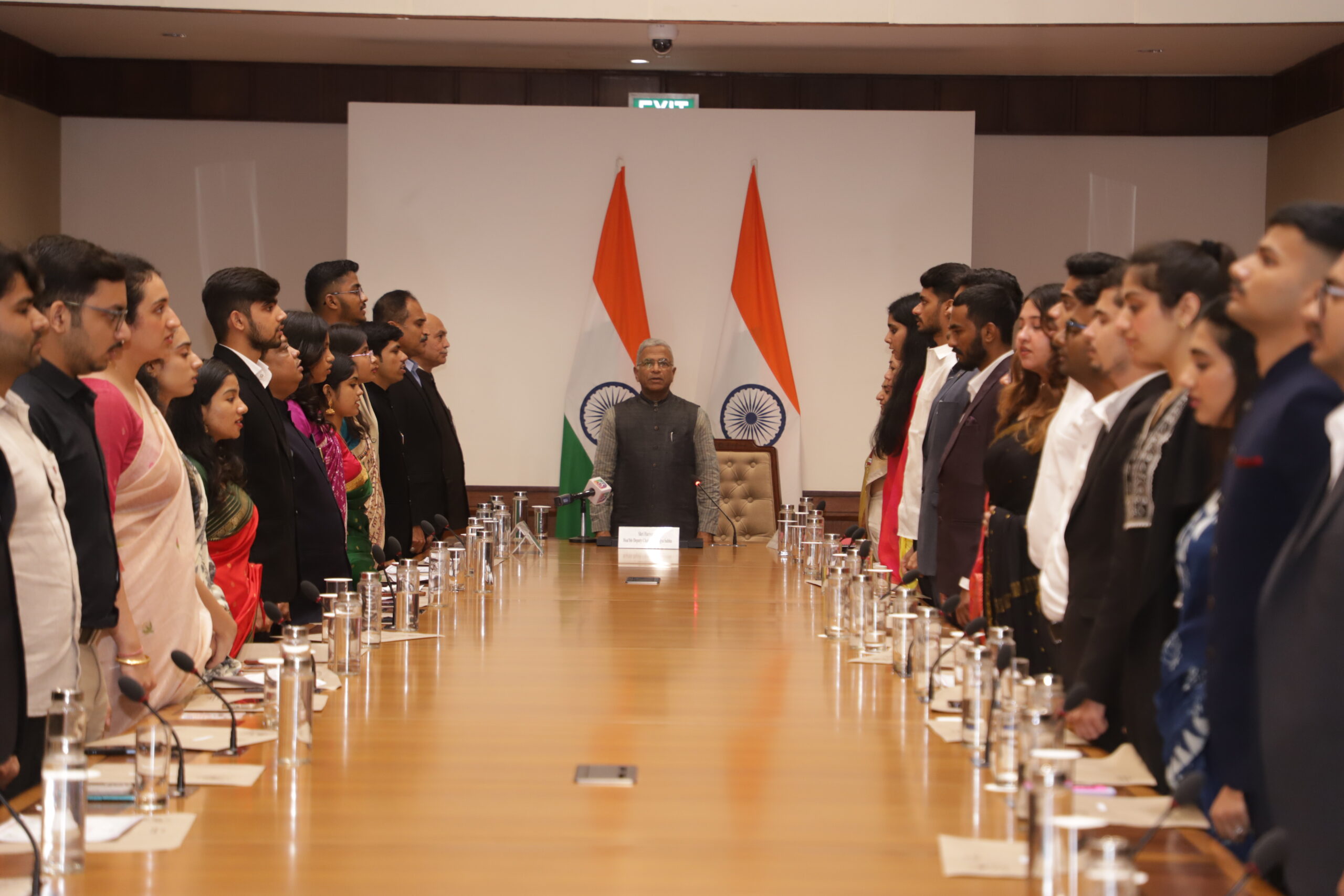
Designed to reflect the analytical and institutional complexities of real-world policymaking, the simulation requires participants to move beyond problem identification to assess competing policy options, account for implementation constraints, navigate stakeholder interests and formulate actionable recommendations. Drawing on the concepts, frameworks and practical skills developed throughout the Bootcamp, participants must present a coherent policy response, substantiate their reasoning and respond to questions from the evaluation panel of senior IAS officers.
Learning Outcomes
Gain applied governance research exposure
Develop structured policy reasoning skills
Learn recommendation framing and institutional communication
Mentors and Practitioners
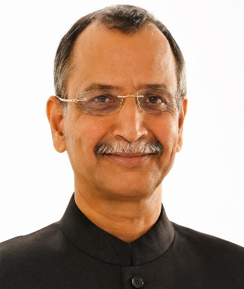
Amb. Amarendra Khatua, IFS (Retd.)
Former Secretary, Ministry of External Affairs, Government of India
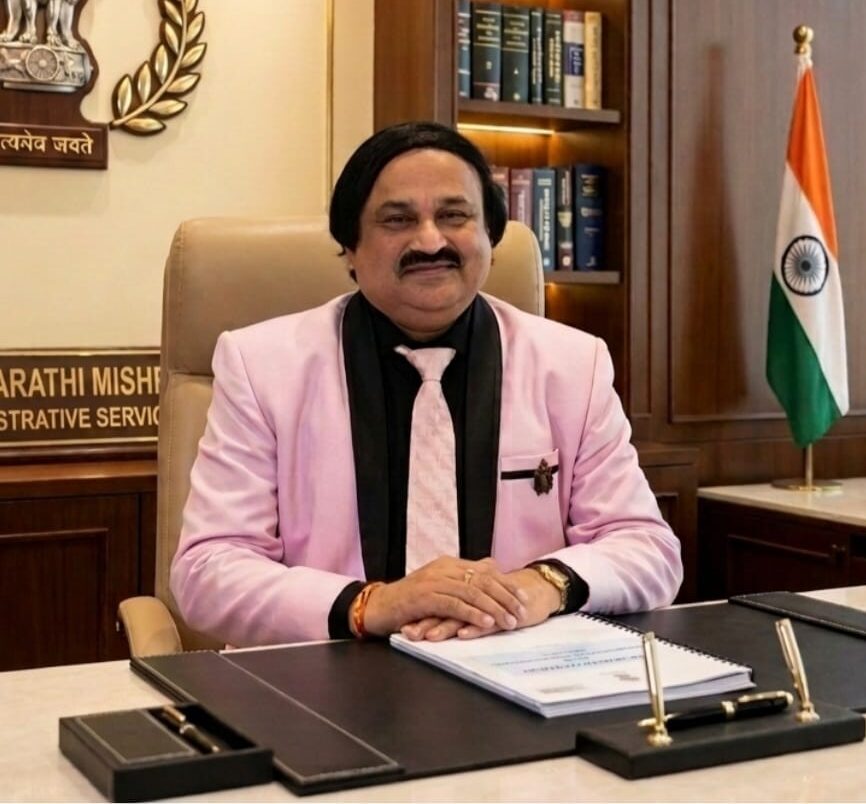
Dr. Partha Sarathi Mishra, IAS
Additional Secretary, Public Enterprises Department, Government of Odisha
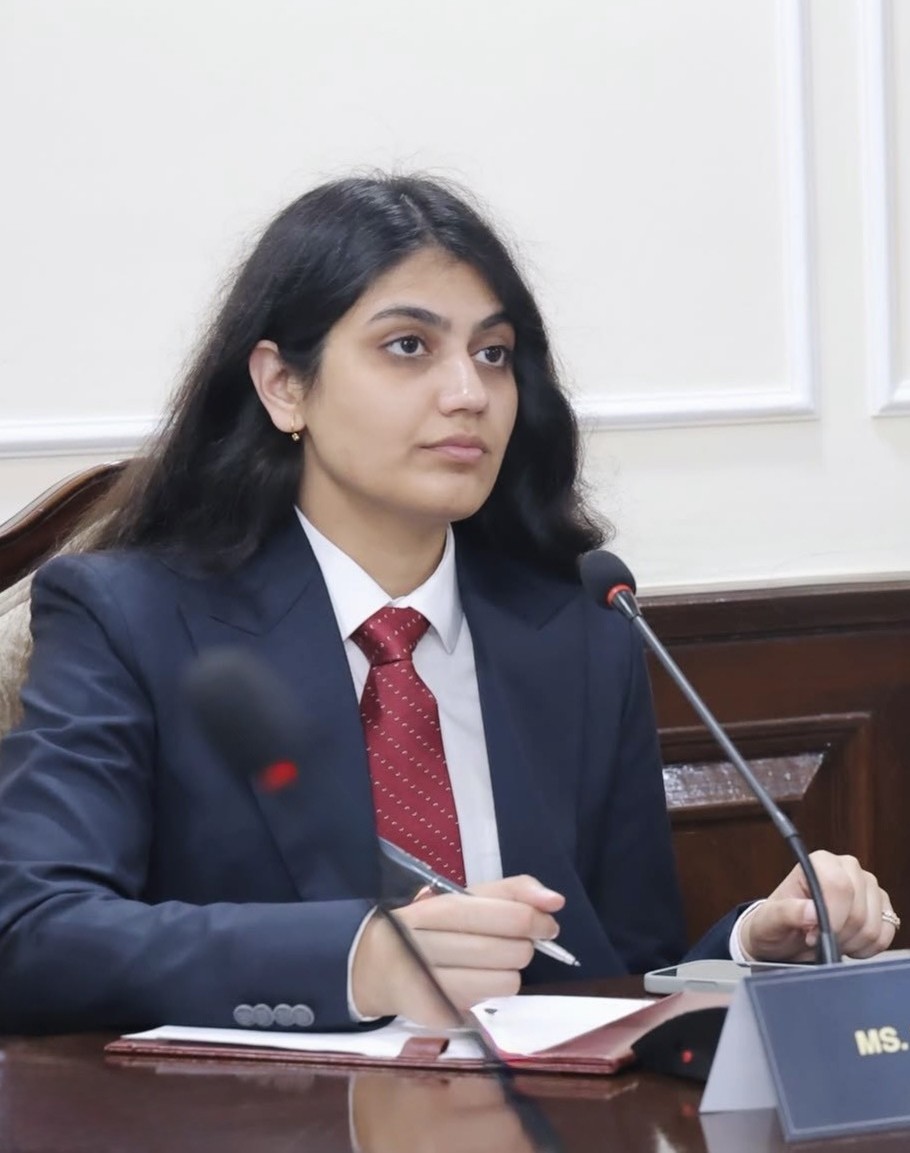
Ms. Parneet Kaur
Founder, RAAH
Formerly with Rajya Sabha Secretariat, Ministry of Rural Development, and Offices of Members of Parliament
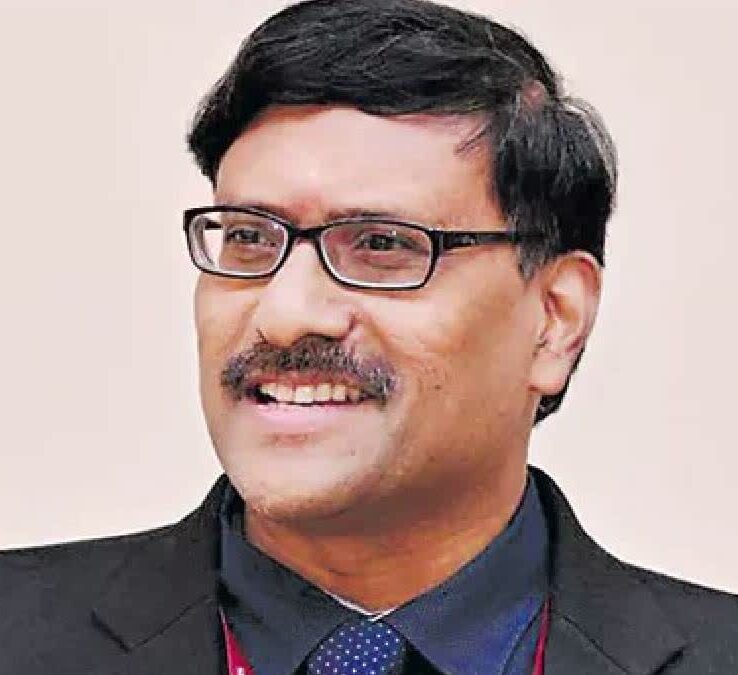
Shri R. Subrahmanyam, IAS (Retd.)
Former Secretary, Department of Higher Education, Government of India
Former Secretary, Department of Social Justice and Empowerment, Government of India
CEO, Centre for Research in Schemes and Policies (CRISP)
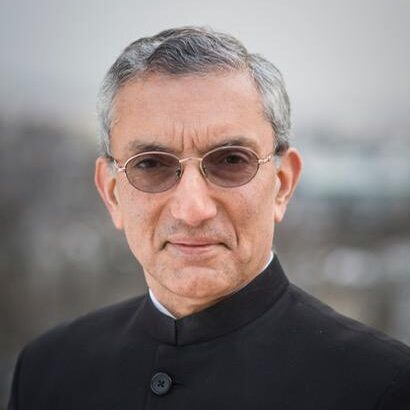
Amb. Rahul Chhabra, IFS (Retd.)
Former Secretary (Economic Relations), Ministry of External Affairs, Government of India
Admission Process
Submit Your Application
Applicants must complete and submit the online application through the RAAH Admissions Portal, accessible via the application link provided on this webpage.
Application Review
Applications will be reviewed on a rolling basis. Shortlisted applicants will receive a selection communication within seven working days of submitting their application.
Fee Payment
Selected applicants must complete payment of the programme fee within two working days of receiving their admission offer.
Confirmation of Admission
Admission will be confirmed upon successful verification of the programme fee payment, subject to cohort capacity and completion of registration within the stipulated timeline.
Cohort Commencement
Admitted participants who have completed registration will receive their enrolment details and instructions for accessing the Applicant Portal and joining the RAAH Policy Bootcamp 2026 — Cohort 2.
Applications are reviewed on a rolling basis. Early applications are encouraged due to limited cohort capacity.
Voices from the Inaugural Cohort







With all the information you have taught me, I would put your bootcamp as a necessary course in university because I would not have learned this in school or thought of it on my own. RAAH is covering an important gap of education, and I am thankful I get to participate.
The Bootcamp was a completely different experience because it wasn't just about learning concepts but actually applying them. Researching, drafting, and presenting our policy advisory report, pushed me to think critically, analyse real-world issues, and work under time constraints. Overall, the simulation made the learning much more interactive and gave me a better understanding of how policy research and decision-making work in practice.
The Bootcamp equipped me with hands-on skills with various policy documents. At present, I am more confident with writing skills, problem analysis, research skills, policy recommendations with feasibility, multi-dimensional thinking. Overall, this two week engagement truly gave us market ready upskilling experience in Public Policy.
The RAAH Policy Bootcamp has given me a much clearer understanding of what public policy entails and how it operates in practice. Under the thoughtful guidance of Parneet Ma’am, I gained exposure to key aspects of policy work, including writing policy briefs and concept notes, while engaging directly with senior IAS officers, experiences I will always cherish. I particularly appreciated the structured and systematic delivery of the sessions, as well as the quality of the learning materials provided. The Bootcamp has been an invaluable learning experience, strengthening my understanding of public policy and its practical applications.
I have spent over 15 years working in real estate, construction and urban governance, where implementation, stakeholder management and regulatory coordination are part of my day-to-day work. The Bootcamp helped me connect those experiences with public policy frameworks. The assignments were probably the most valuable part. Writing policy memos, analysing case studies, mapping stakeholders, thinking about incentives and implementation made me realise that identifying a problem is only the first step. The real challenge is designing a solution that is practical, financially feasible and "can actually be implemented" by the government.
Rather than focusing solely on theoretical concepts, the RAAH Policy Bootcamp introduced us to the practical dimensions of policymaking. We learned to develop policy portfolio components and approach policy challenges systematically, from identifying root causes to formulating potential solutions. Coming from a technical background in Electronics and Communication Engineering, I found the Bootcamp particularly valuable in helping me bridge the gap between my engineering education and the field of public policy.
The Bootcamp offered valuable insights into how organisations sustain their operations while addressing complex public policy challenges. I started to develop real-time, more professional writing skills, specific to public policy, with a flair of actual ground challenges, understanding the solutions, feasibility and implementation.
Each session integrates diverse perspectives through policy memos, concept notes, policy advisories, and case-based learning, with a strong emphasis on the practical implementation of public policy to strengthen analytical and evidence-based policymaking skills.
Fee Structure
Programme Fee: Payable upon selection.
Session Recordings: Accessible to enrolled participants through the RAAH Applicant Portal throughout the programme.
FAQs
1. Are applications open to international applicants?
Yes. The RAAH Policy Bootcamp welcomes applications from India and overseas. International applicants may apply through the same admissions process.
2. Is prior experience in public policy required?
No. The programme welcomes applicants from diverse academic and professional backgrounds. Prior experience in public policy is not a prerequisite for admission.
3. Will participants receive a certificate upon completion?
Yes. Participants who fulfil the programme’s attendance and completion requirements will receive a certificate from RAAH.
4. When will the RAAH Policy Bootcamp take place?
Cohort 2 will run from 2–17 November 2026, comprising sessions delivered entirely online.
5. Will session recordings be available?
Yes. Session recordings will be accessible to enrolled participants through the RAAH Applicant Portal.
6. How are applications assessed?
Applications are reviewed on a rolling basis, taking into account applicants’ academic backgrounds, relevant experience, statements of purpose and alignment with the programme. Shortlisted applicants will receive a selection communication within seven working days of submission.
7. How do I apply to the programme?
Applications must be submitted through the RAAH Admissions Portal, accessible via the application link on this webpage. Applicants can verify their email address, complete the application and track its status through the portal.
8. What does the Diplomatic Crisis Simulation involve?
Participants engage in a structured simulation designed to explore diplomatic decision-making under conditions of uncertainty. The exercise emphasises strategic judgement, negotiation, competing interests and the formulation of coherent responses to an evolving scenario.
9. Are publication or internship opportunities available?
Selected submissions may be considered for publication on the RAAH website or inclusion in a RAAH policy report. Participants may also submit commentary for consideration by a leading newspaper. Outstanding participants may be considered for future internship opportunities at RAAH, subject to organisational requirements and availability.
10. What is the refund policy?
Programme fees are non-refundable, except where a refund is expressly approved by the RAAH Admissions Committee. Any such decision will be made at the Committee’s discretion.